
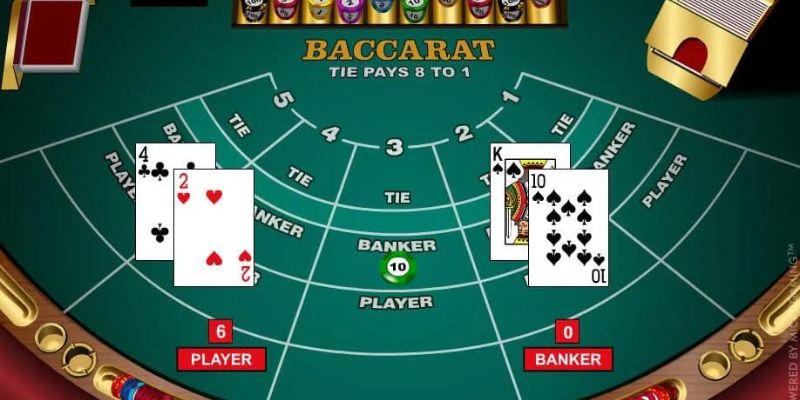
Baccarat at WINRRR is one of the most popular card games in casinos, known for its simple rules, elegant style, and fast-paced gameplay. Despite its luxurious reputation, anyone can learn how to play baccarat with just a few basic rules and an understanding of the game’s structure. Whether you’ve seen it in movies or are curious about card games, this guide will walk you through everything you need to know—from the game mechanics and betting options to odds, strategies, and responsible play.
What Is Baccarat

Baccarat is a comparing card game traditionally played between two hands: the Player and the Banker. Despite the names, participants do not control the Player hand; instead, they choose which side to bet on. The objective is simple: predict which hand will be closest to a total of nine. Because of its straightforward structure and low house edge, baccarat has become a favorite in both land-based and online casinos. Still, learning how to play baccarat responsibly is key to an enjoyable experience.
How to Play Baccarat: Card Values
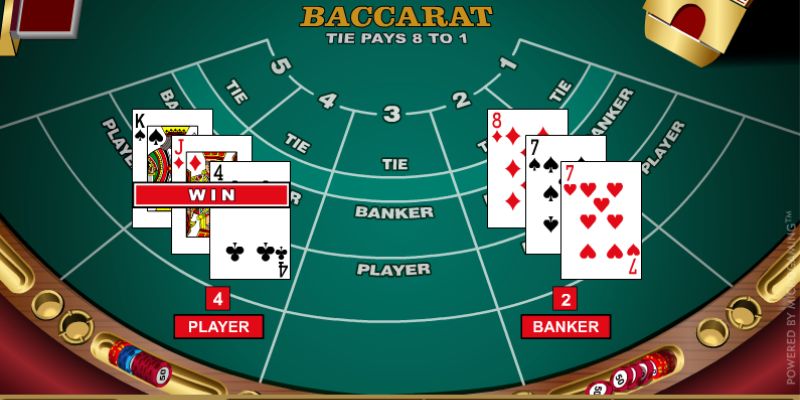
To understand how to play baccarat, you must first learn how card values work. Aces are worth one point. Cards from two through nine are worth their face value. Tens and face cards, including Jack, Queen, and King, are worth zero points. The hand’s value is determined by adding the card totals and keeping only the last digit. For example, seven plus eight equals fifteen, which counts as five. Four plus five equals nine, which is the ideal total. This simple scoring system helps beginners quickly understand how to play baccarat.
How to Play Baccarat: The Gameplay Step-by-Step
Place Your Bet
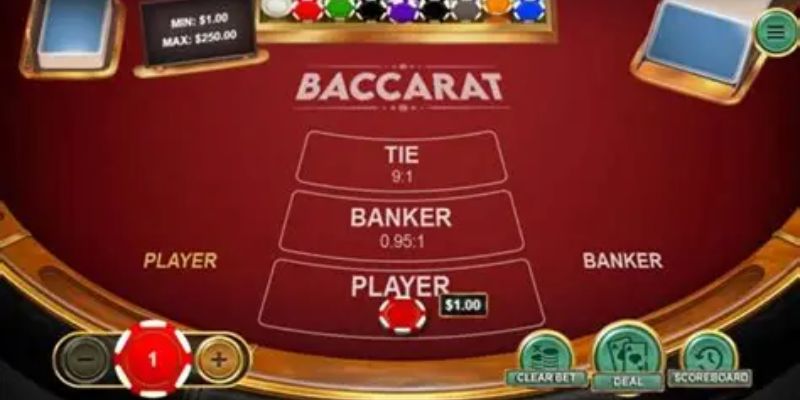
Before cards are dealt, players choose one of three outcomes: Player hand wins, Banker hand wins, or Tie. Understanding these options is essential when learning how to play baccarat.
Two Cards Are Dealt to Each Side
The dealer places two cards for the Player and two cards for the Banker.
Natural Win Check
If either hand totals eight or nine, it is called a Natural, and the round ends immediately.
Third Card Rules
If no natural win occurs, third-card rules may apply.
Player Third Card Rule
If the Player total is zero to five, the Player receives a third card. If the Player total is six or seven, the Player stands. If the Player total is eight or nine, it is a natural and no more cards are drawn.
Banker Third Card Rule
The Banker’s decision depends on both hands. The Banker draws on totals zero to two. If the Player draws a third card, the Banker may draw based on established charts. The Banker stands on seven. The dealer handles these rules automatically, which makes learning how to play baccarat accessible even for beginners.
The Winning Hand Is Decided
The hand closest to nine wins. Bets on that hand are paid according to the paytable.
Betting Options When Learning How to Play Baccarat
Player Bet
The Player bet pays one to one, with a house edge of approximately 1.24 percent.
Banker Bet
The Banker bet pays one to one but typically includes a five percent commission. Its house edge is about 1.06 percent, making it statistically the safest bet.
Tie Bet
The Tie bet pays eight to one or nine to one, but its house edge is very high, often over 14 percent. Beginners learning how to play baccarat should know that the Tie bet is riskier and usually not recommended for conservative or responsible play.
Side Bets in Baccarat
Different casinos offer side bets, which often come with higher house edges. Common options include Player Pair, Banker Pair, Perfect Pair, and Big or Small. Understanding these options is part of learning how to play baccarat, but beginners should use them sparingly and for entertainment purposes.
How to Play Baccarat Responsibly
Because baccarat is fast-paced, it is important to follow responsible gaming practices. Set a budget before starting. Decide how much you are willing to spend, and stick to it. Treat the game as entertainment, not a guaranteed way to win money. Take regular breaks to prevent fatigue and impulsive decisions. Avoid chasing losses, because a losing streak does not mean you are “due” for a win. Learn the odds so you understand which bets are statistically safer, such as Banker bets.
Basic Strategies for Learning How to Play Baccarat
Stick With the Banker Bet
From a mathematical perspective, the Banker bet has the lowest house edge. Many players consider it the safest option.
Avoid Tie Bets
Tie bets may seem attractive because of their high payout, but the odds are not favorable.
Manage Your Sessions
Decide how many rounds you want to play and stick to your plan. Controlling session length helps prevent overspending.
Don’t Look for Patterns
Unlike skill-based games like blackjack, baccarat outcomes are random. Charts and patterns may be fun to track, but they do not influence the results.
Variations of Baccarat
Punto Banco
This is the most common version worldwide and is entirely chance-based.
Chemin de Fer
Popular in Europe, this version allows players to take turns acting as the Banker.
Mini Baccarat
This version offers lower minimum bets and faster gameplay, making it ideal for beginners.
Each variation follows the same core rules, making it easy to transition after learning how to play baccarat.
Common Myths About How to Play Baccarat
Myth #1 Baccarat Is Only for High Rollers
Modern casinos offer baccarat with low minimum bets, making it accessible to everyone.
Myth #2 You Can Predict Winning Streaks
No chart or pattern can predict results.
Myth #3 Banker Always Wins
Although statistically stronger, Banker does not win every time. Understanding these misconceptions helps clarify how to play baccarat properly and safely.
Conclusion How to Play Baccarat the Right Way
Learning how to play baccarat is simple thanks to its straightforward structure, clear rules, and fast-paced gameplay. By understanding card values, betting options, and the flow of the game, even beginners can feel comfortable at the table within minutes. Remember that baccarat is based on chance, so responsible gaming is essential. Set limits, make informed bets, and focus on having an enjoyable experience rather than seeking profit.





